
Top Trends in AI Video Production: What to Expect Next
Revolutionizing Video Content with AI
The landscape of video production is rapidly evolving, thanks to the infusion of artificial intelligence. From streamlining workflows to enhancing creative possibilities, AI is transforming how videos are made and consumed. As we look ahead, several emerging trends are set to redefine the industry.
One of the most significant changes is the increased ability for AI to automate video editing. This technology can now analyze raw footage and make intelligent decisions about cuts, transitions, and effects, saving time and resources for creators. Expect more user-friendly interfaces that allow even beginners to produce high-quality videos.
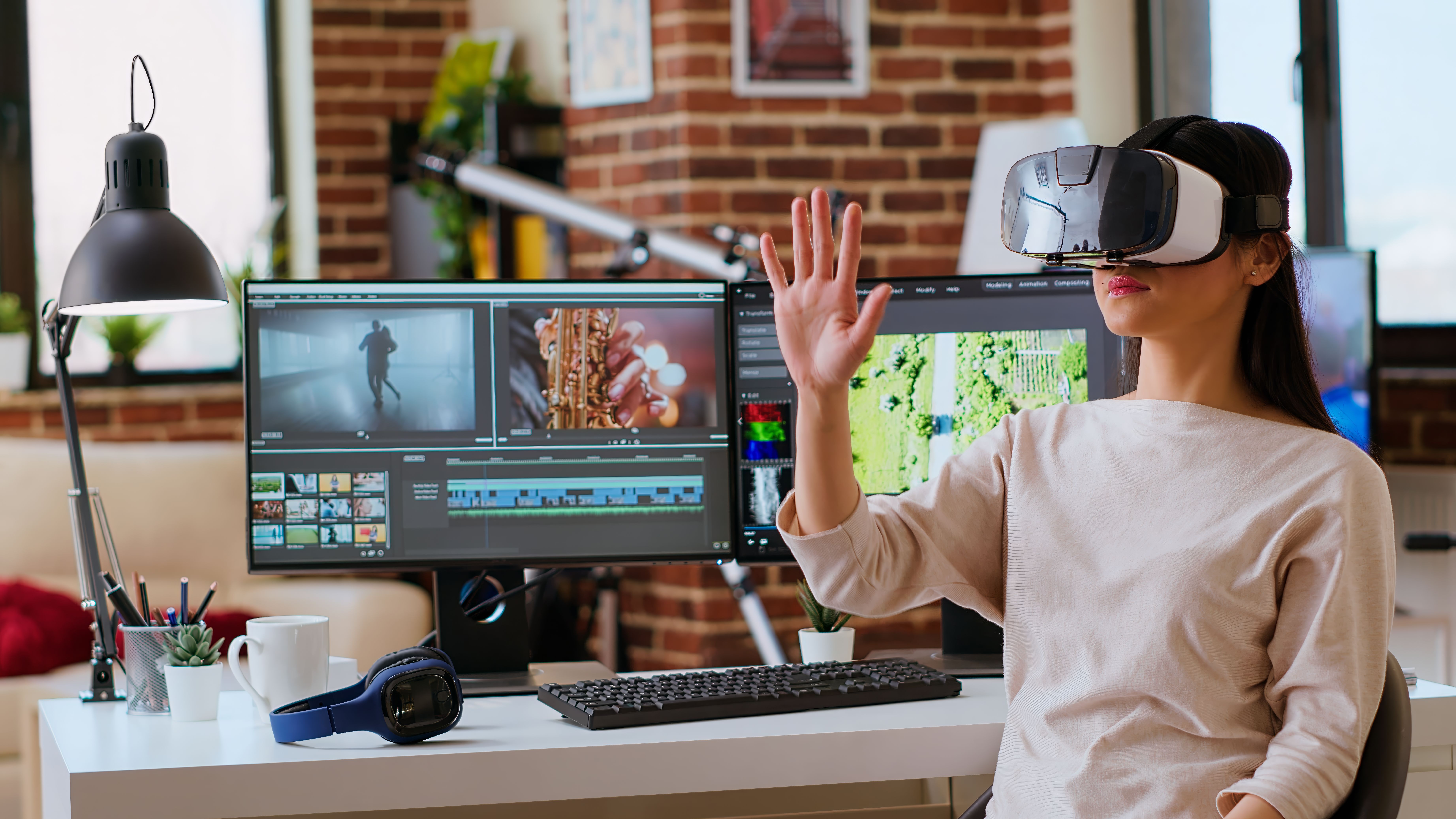
AI-Driven Personalization
Personalization is becoming a core component of video content. AI algorithms can analyze viewer data to create customized video experiences tailored to individual preferences. This means audiences will receive content that aligns more closely with their interests, increasing engagement and retention.
As AI continues to learn and adapt, expect even more sophisticated personalization techniques. Dynamic content editing, where videos change in real-time based on viewer behavior, is on the horizon, promising a more interactive and engaging experience.
Advanced Visual Effects
AI's role in visual effects is groundbreaking. From deepfake technology to real-time rendering, AI can generate visuals that were previously impossible or too costly to produce. This opens up new creative avenues for filmmakers and content creators, allowing for more imaginative storytelling.
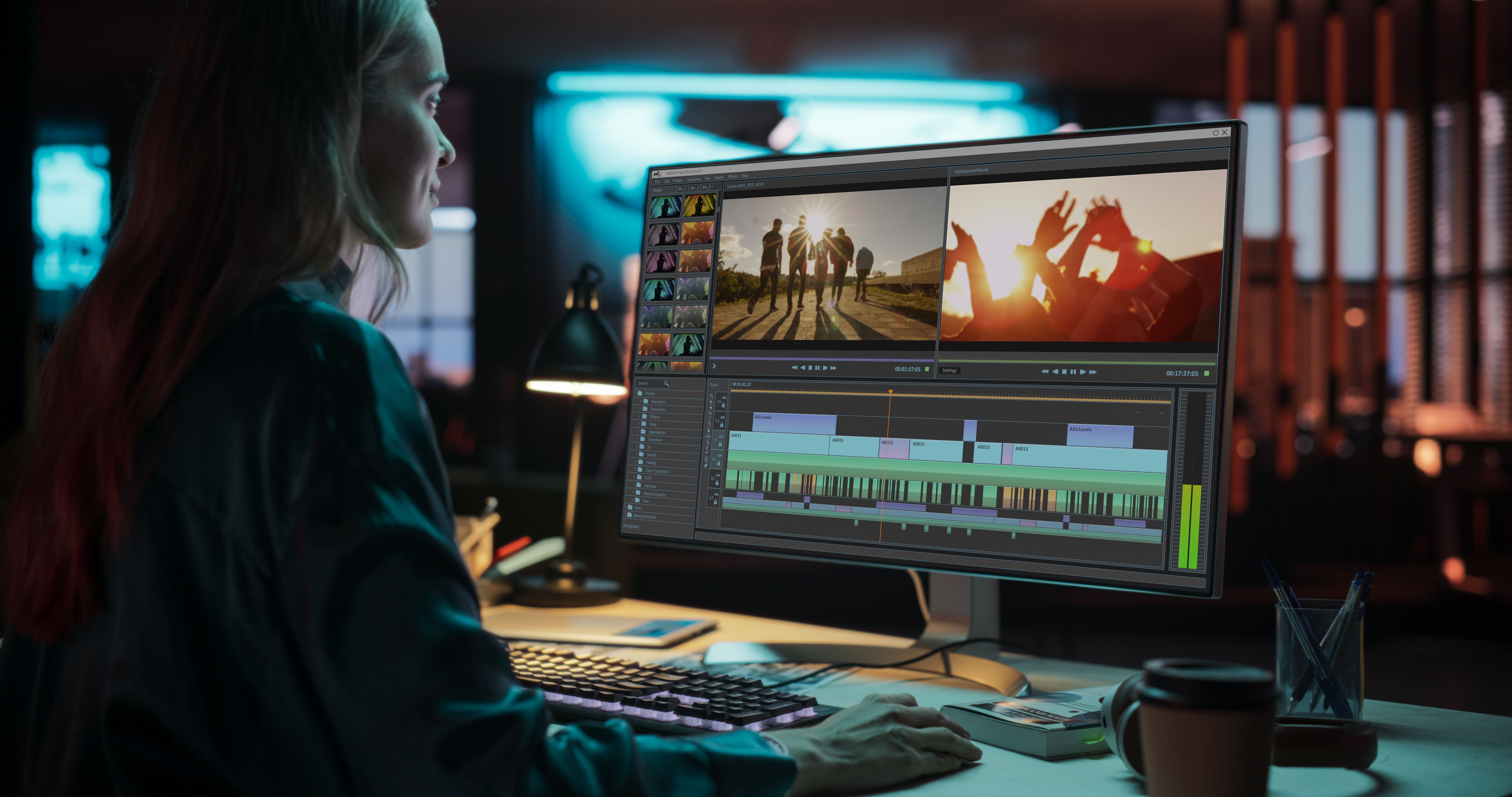
Furthermore, AI can enhance post-production processes by automatically correcting color, stabilizing footage, and even generating sound effects. These capabilities make professional-level production accessible to a broader audience, democratizing the industry.
Improved Accessibility and Inclusivity
AI is also playing a crucial role in making video content more accessible. Automated subtitling and voice recognition technologies are improving, allowing videos to reach wider audiences, including those with hearing impairments. Expect these tools to become more accurate and widely available.
Additionally, AI can translate video content into multiple languages, ensuring that videos can transcend linguistic barriers. This trend is set to expand global reach and foster inclusivity in media consumption.

Enhanced Analytics and Insights
Understanding audience behavior is essential for content creators, and AI is enhancing analytics with deeper insights. AI-driven tools can analyze viewer interactions, providing data that helps creators refine their content strategies. This trend will lead to more effective targeting and content optimization.
As AI analytics become more advanced, expect to see predictive analytics that can forecast trends and viewer preferences. This will empower creators to stay ahead of the curve and produce content that resonates with audiences.
Conclusion
The future of AI in video production is bright, with endless possibilities for innovation and creativity. As these technologies continue to evolve, they will reshape the way we produce and consume video content, offering new opportunities for creators and viewers alike. Embracing these trends will be crucial for anyone looking to stay competitive in the ever-changing digital landscape.